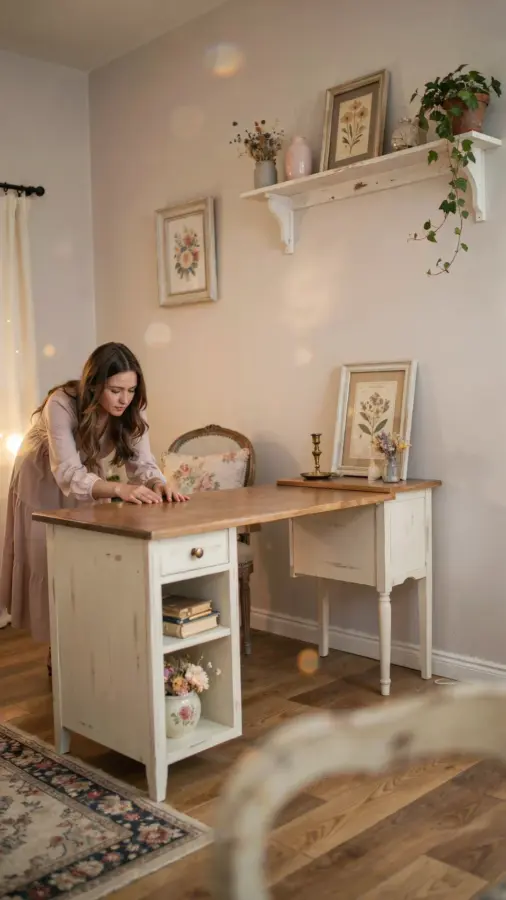
When I moved into my first tiny apartment, I knew I needed a small desk for my home office but I had no idea where to put it. The living room was barely large enough for a couch, and the bedroom could only fit a bed and a nightstand. I spent weeks scrolling through Pinterest boards tagged with SmallHomeOfficeDesk, convinced I would never find a solution that actually worked in my narrow corner. Then I stopped looking for a desk that matched my old college setup and started thinking about what I really needed: a workspace that fit my space, not the other way around.
Why a Compact Desk Changed My Work From Home Life
I used to believe bigger was better when it came to desks. My previous desk was a massive L-shaped behemoth that took up half a room. When I downsized, that desk became a giant paperweight. I swapped it for a compact desk that measures just 36 inches wide, and honestly, I have never been more productive. A SmallSpaceWorkspace forces you to keep only what you actually use. No more piles of old notebooks or that mug you never wash. Every inch matters.
What surprised me most was how much more focused I felt. With a smaller surface, I stopped spreading out half-finished projects. My brain started treating the desk as a station for one task at a time. That shift alone boosted my output more than any fancy standing desk ever did.
Finding the Right Fit: My Search for a Small Home Office Desk
I spent three weekends visiting furniture stores and measuring corners. Every SmallHomeOfficeDesk I found online looked perfect in the photos but felt cramped when I imagined my laptop on it. Here is what I learned: depth matters more than width. A desk that is 20 inches deep will feel shallow with a monitor, keyboard, and mouse. I needed at least 24 inches of depth, even if the width was only 30 inches.
I also considered materials. Solid wood looked beautiful but added weight I did not want if I needed to move the desk later. I settled on a lightweight metal frame with a walnut laminate top. It cost under $150, took me 20 minutes to assemble, and has survived three apartment moves so far. For a CompactDesk, that durability is nonnegotiable.
- Width: 30 to 40 inches is ideal for one monitor and a laptop.
- Depth: 24 inches minimum to avoid hunching over your keyboard.
- Height: Look for adjustable legs if you plan to use a standing converter later.
- Storage: A single drawer or a small shelf underneath keeps clutter hidden.
Layout Tips That Actually Worked in My Tiny Corner
Once I had the desk, I needed to arrange the rest of the room. My corner was only 4 feet wide between a window and a bookshelf. I tried placing the desk straight against the wall, but it left an awkward gap that collected dust. Angling it diagonally freed up floor space and made the corner feel intentional. That simple change is one of my favorite DeskSetupIdeas for tight spots.
I also mounted a thin LED strip under the desk edge for task lighting. It cost $15 and eliminated the need for a bulky lamp. For a SmallSpaceWorkspace, vertical storage is your best friend. I installed two floating shelves above the desk to hold my planner, a plant, and a small speaker. Everything I reach for daily is within arm’s reach, but nothing sits on the desktop.
Ergonomic Accessories That Don’t Eat Your Desk Space
People assume you need a huge ergonomic setup to work comfortably at a small desk. I thought so too, until I found accessories designed specifically for limited surfaces. My HomeOfficeDecor now includes a compact monitor arm that clamps to the back of the desk. It lifts my screen up and frees the entire desktop for writing. I also use a half-keyboard (no number pad) and a vertical mouse that takes up almost no space.
My favorite addition is a mesh wrist rest that doubles as a cable organizer for my charging cords. It keeps the desk clean and my wrists happy. Here are the ergonomic items that actually fit my small desk:
- Monitor
#SmallHomeOfficeDesk #DeskSetupIdeas #SmallSpaceWorkspace #HomeOfficeDecor #CompactDesk
Leave a Comment